Introduction: What Exactly Is a Design System?
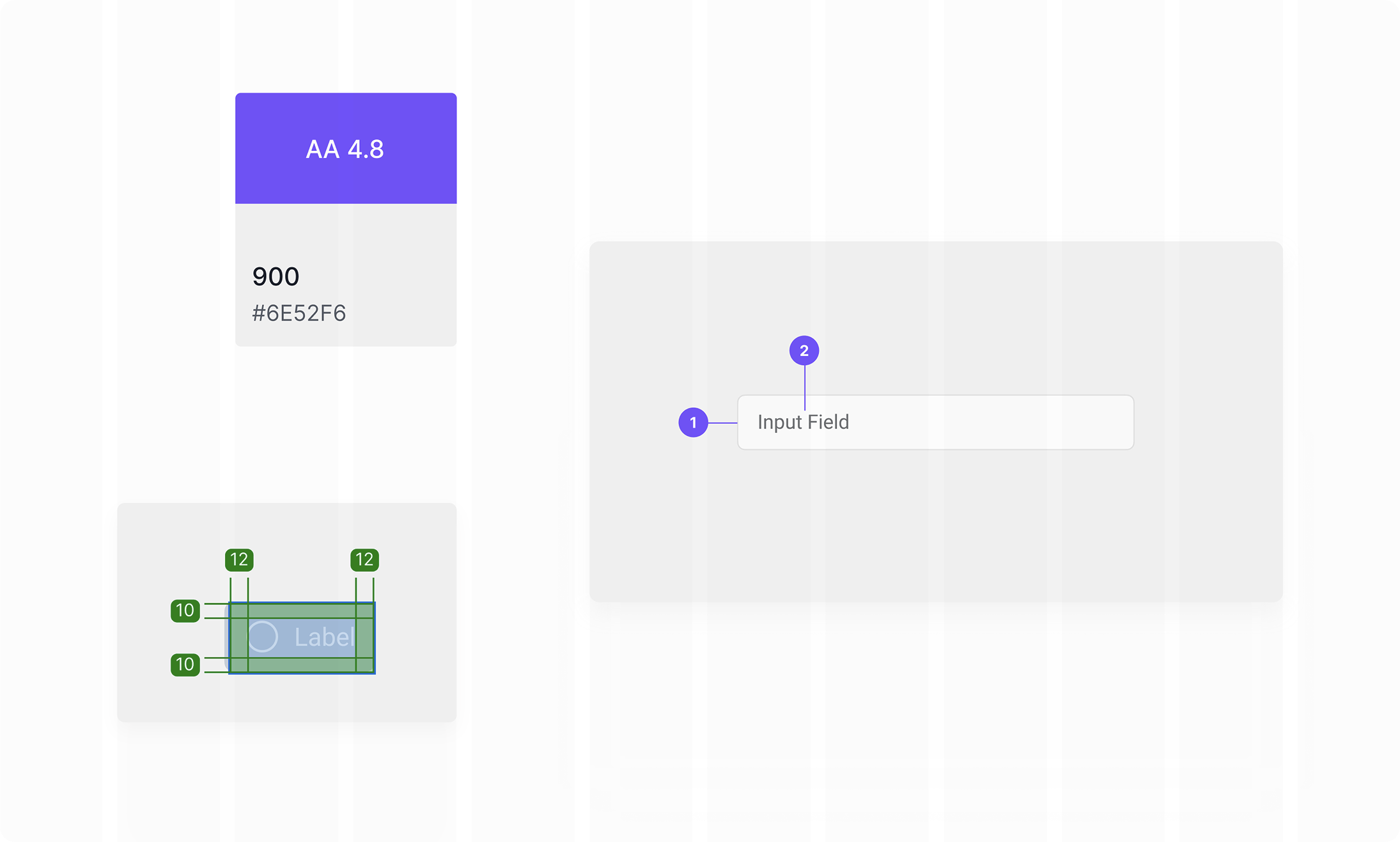
As InVision’s Design System Handbook defines it:
“A design system is a collection of reusable components, guided by clear standards, that can be assembled together to build any number of applications.”
In other words, it’s not just a UI kit.A design system is a shared language — a way for teams to stay aligned, build faster, scale confidently, and avoid solving the same problem multiple times.
Why Do Some Designers and Product Owners Try to Avoid It?
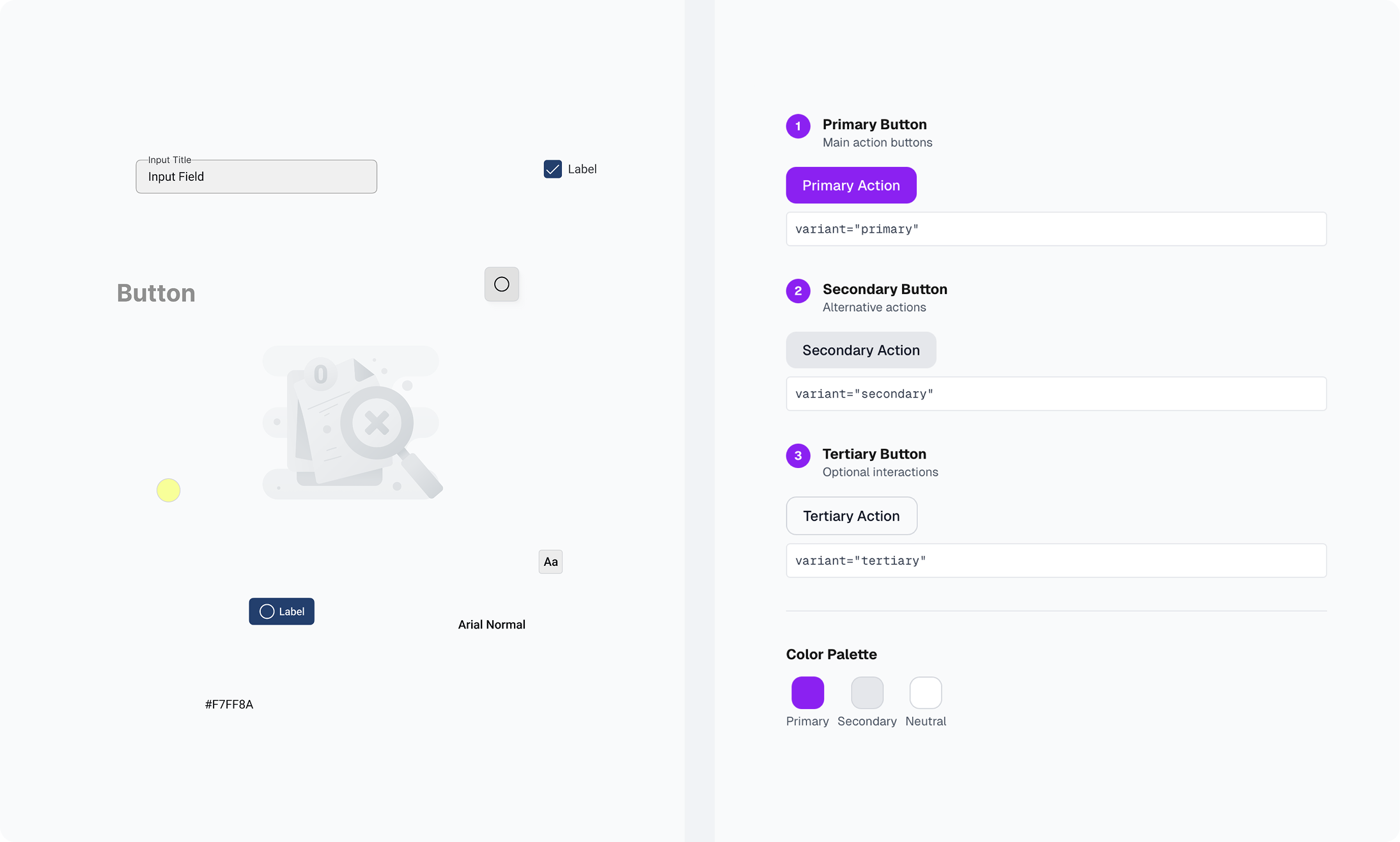
The irony is this: most designers and product owners think skipping a design system saves time.
In reality, it does the exact opposite.
Here’s why people avoid it:
1. It feels faster to “just design”
Many teams think: “Let’s skip the system for now and move quickly. ”But “quick” ends the moment you need consistency, updates, accessibility fixes, or a new designer joining the team. The time saved early becomes time wasted x10 later.
2. Sometimes designers are scared of the word “system”Especially newcomers. The word “design system” sounds heavy — like something big, complex, time-consuming, full of rules and perfection.They imagine hours spent building every button state, every input error, every variant:
“Why should I build all of that? I only need this button for two screens…”
Guess what happens next?
- The client asks to change the color
- Or update the size for accessibility
- Or adjust spacing
- Or add a hover/pressed/disabled state
And suddenly those “two screens” turn into 32 duplicated buttons that all require manual updates. Hours of repetitive work. Hours that could have been saved with just one component.
3. They underestimate how quickly a product grows:
- No product stays small.
- Every flow expands.
- Every feature evolves.
- Every startup adds “just one more thing” every month.
A system is an investment your future self (and your future teammates) will thank you for.
4. They confuse perfection with usefulness. One of the best pieces of advice I ever received from my teacher was: “Create and use a component even if you don’t have time. It doesn’t have to be perfect — what matters is that it exists. ”This single mindset shift changed my entire career. A component doesn’t need to be final on day one. It just needs to be there, reusable, and updatable. You can always refine it later — and you will — but the first version already saves time.
A Real Story: My First Big Project
I still remember my first major project at a startup. Everything on the surface seemed great—active users, working features, constant updates.
But once I opened the design file, everything changed.
- Thousands of screens.
- Countless flows.
- Random comments everywhere.
- And not a single component, style, or piece of documentation.
- No system. No structure. No map.
We spent hours trying to understand everything and eventually reached the only possible conclusion: We had to rebuild everything from scratch.
The result?
- Double the time
- Double the cost
- Double the effort
All because nobody thought about structure early enough.
Think Beyond Today’s Screen
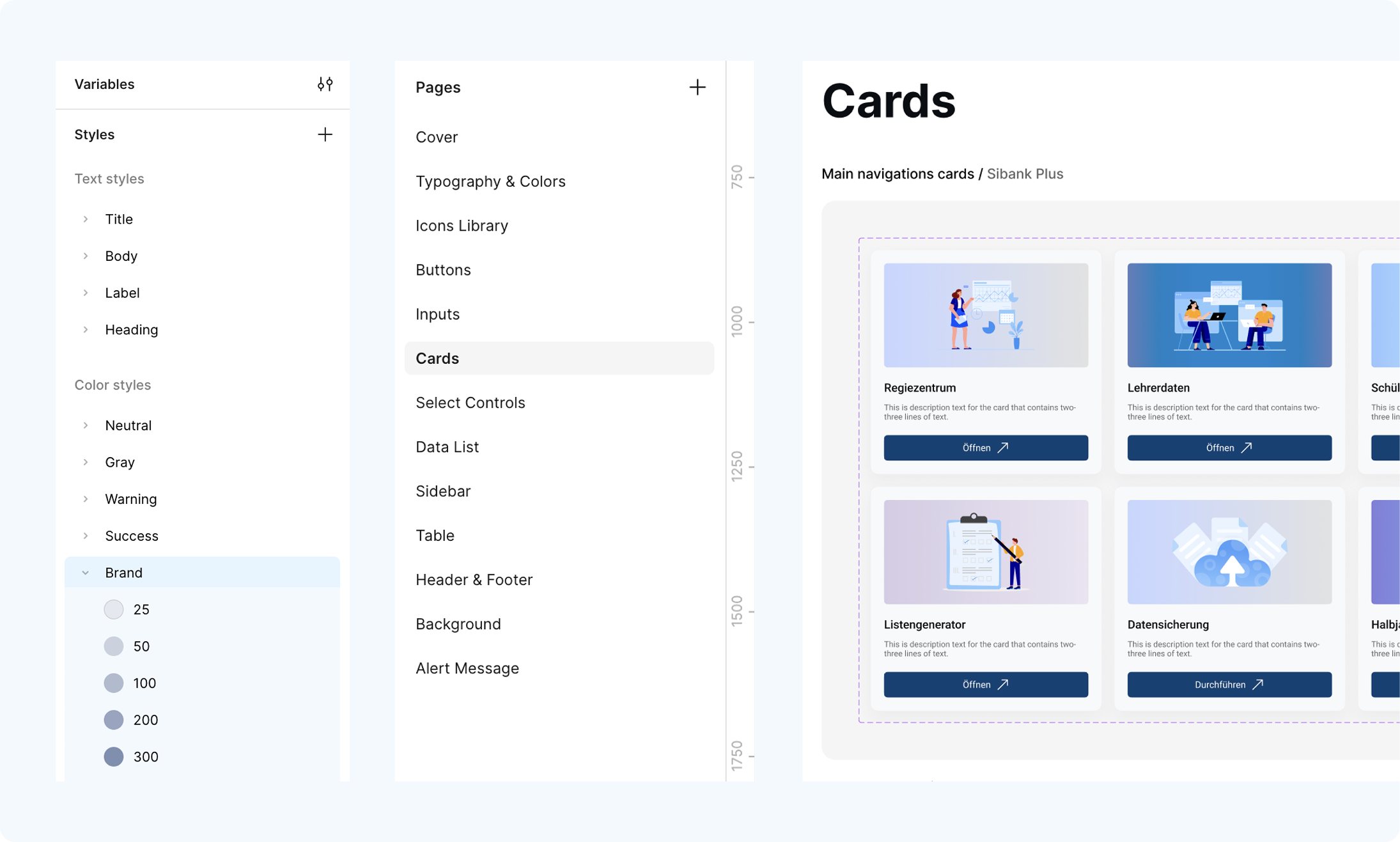
Whether you’re working on a one-month project or a multi-year product, you have to think beyond just the screen you’re designing today.
Ask yourself:
- Will a new team member understand this file?
- Will they find their way without asking me 20 questions?
- Will my decisions be clear tomorrow? Or next year?
Good communication saves time. Structure saves time. A design system saves the most time.
Leave comments. Add annotations. Document your decisions. A clean file today means a scalable product tomorrow.
You’re not just making your own work easier — you’re making everyone’s work faster, smoother, and more predictable.